
A prolapse diagnosis can make the future feel predetermined. If you already notice pressure, heaviness, or a bulge now, it is easy to assume that every year will make it worse until surgery becomes unavoidable.
That is not how prolapse behaves in every woman.
Age is a recognized risk factor for pe...
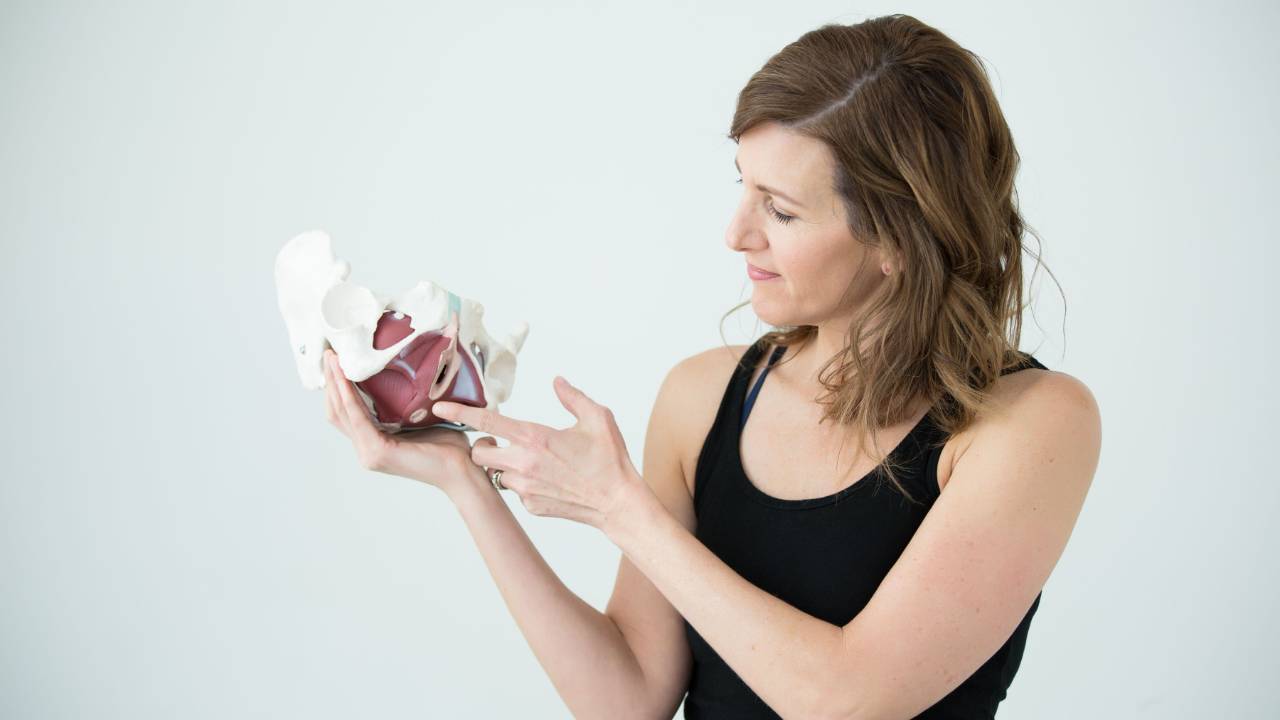
Some childbirth injuries are obvious immediately. Levator ani avulsion often is not.
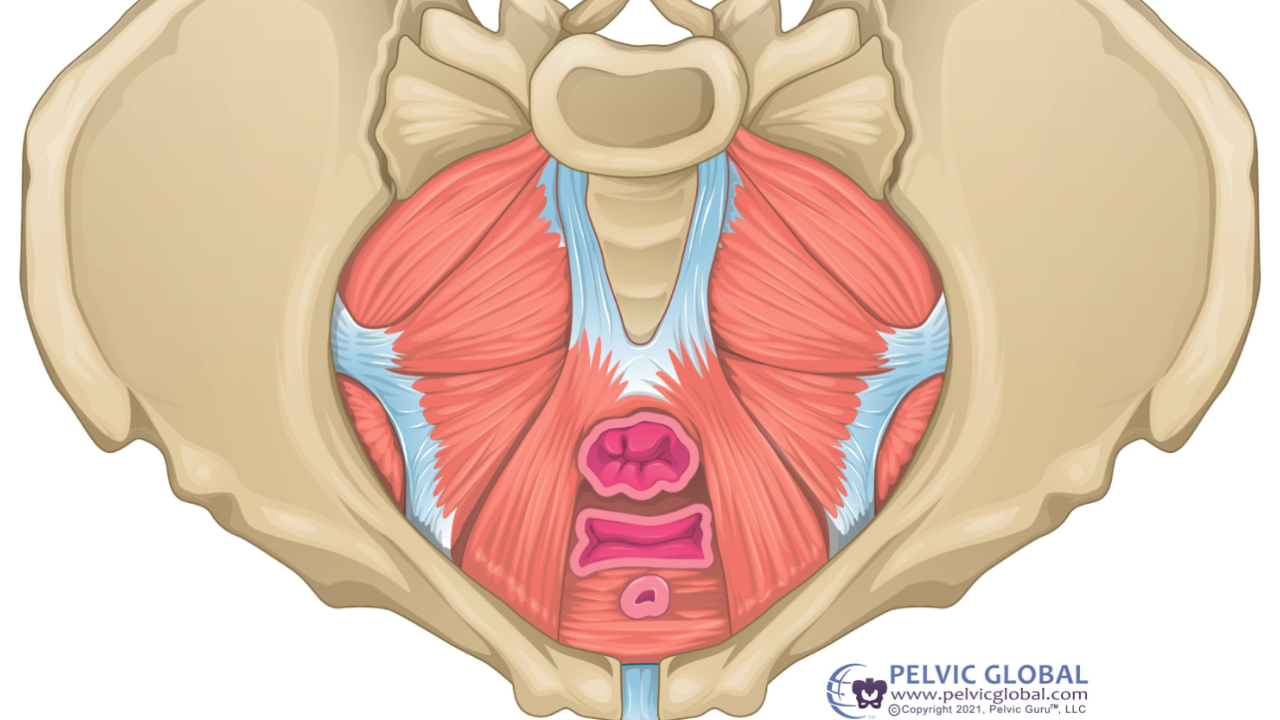
The levator ani is a major part of the pelvic floor muscle group. During vaginal birth, part of this muscle can be overstretched or separated from its attachment to the pubic bone. That injury is called a levator a...
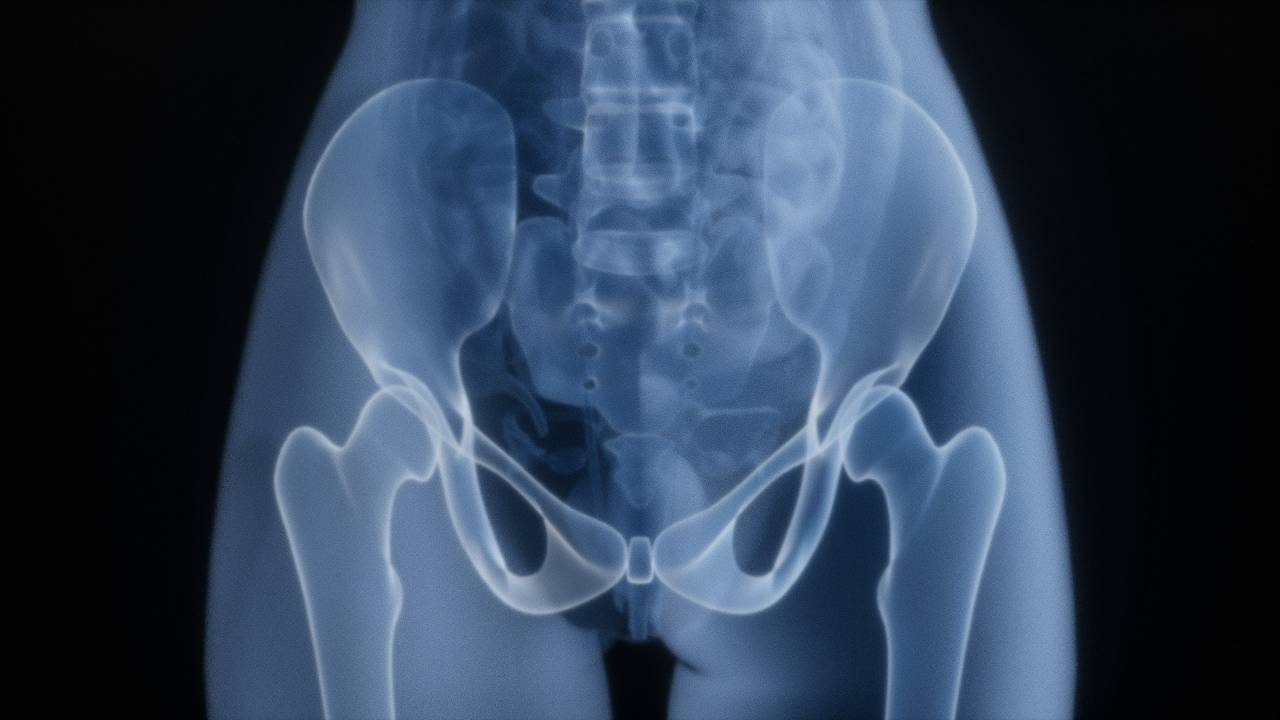
Being told you have pelvic organ prolapse can make surgery feel like the inevitable next chapter. For some women, surgery is the right choice. For others, symptoms can be managed well with pelvic floor rehabilitation, a pessary, lifestyle changes, or a combination of conservative options.
The decis...
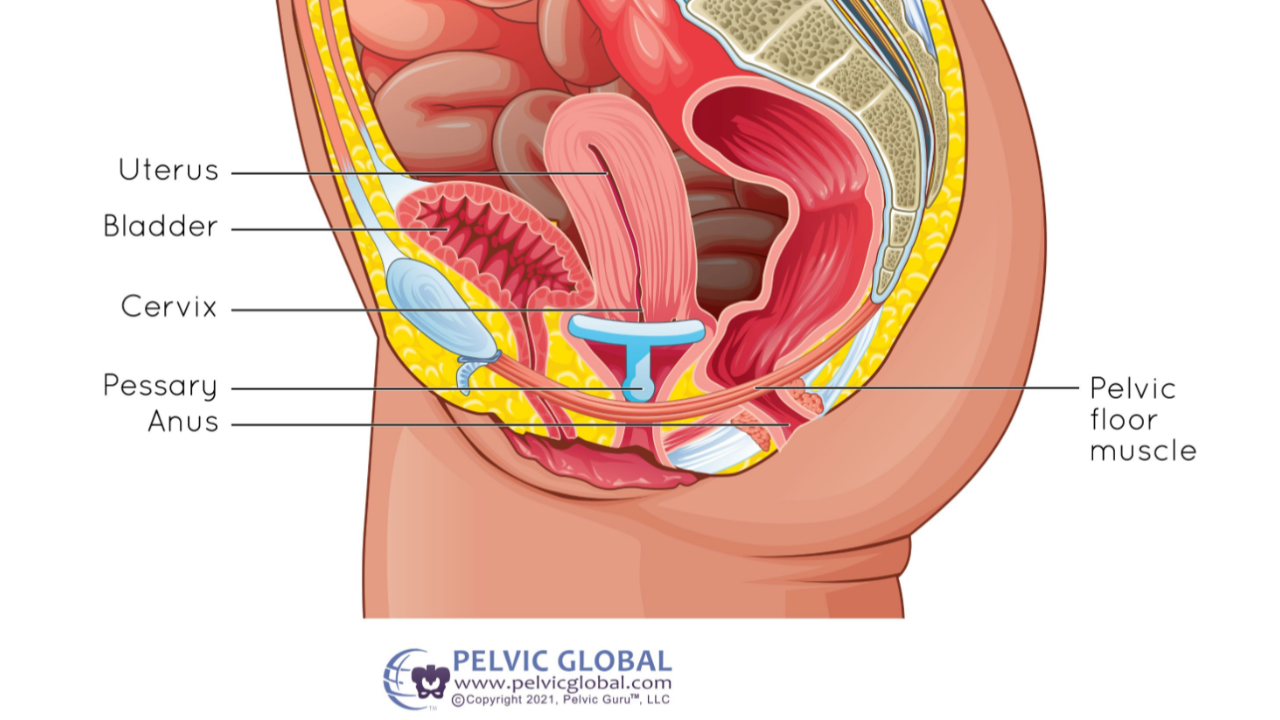
A pessary can be one of the most useful nonsurgical tools for pelvic organ prolapse, but getting one fitted often creates a whole new list of questions. Can you work out with it in? Can you run? Can you have sex? What does it mean if it keeps slipping or falls out? And does wearing a pessary actuall...
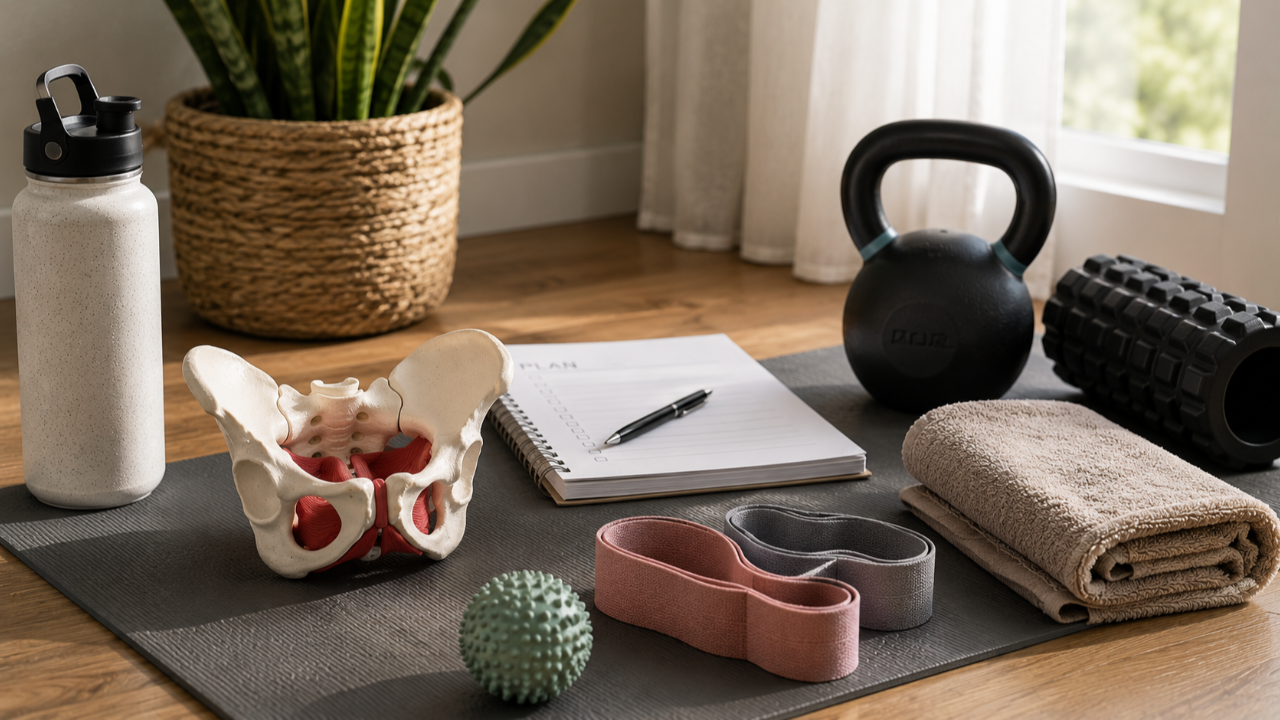
Can you exercise with pelvic organ prolapse? Can you lift weights? Squat? Run? Do planks? What exercises should you avoid with prolapse?
If you have pelvic organ prolapse (POP), chances are you’ve Googled at least one of those questions.
And chances are you’ve also come across a list of “safe exer...
The shift into perimenopause catches most women completely off guard when it comes to their pelvic floor. Symptoms that weren't there at 38 show up at 43 with no warning, no explanation, and no roadmap. If that's where you are right now, you're not declining. You're navigating a hormonal transition ...

If you've been doing pelvic floor exercises consistently and still leaking, still feeling pressure, still hurting, the problem isn't your effort. The pelvic floor is one component in a whole-body pressure management system, and when the rest of that system isn't addressed, even a well-executed exerc...

Pelvic floor dysfunction doesn't stay in the bathroom. It follows you into the bedroom too, and for millions of women, it makes sex painful, unsatisfying, or something to avoid entirely. Understanding what your pelvic floor is actually doing during intimacy changes how you approach both the problem ...

By Kim Vopni, The Vagina Coach — Certified Fitness Professional and Pelvic Floor Fitness Specialist
If leaking, pelvic pressure, heaviness, prolapse symptoms, or fear of making things worse has caused you to change the way you exercise, you are far from alone. In a study of 4,556 women with self-id...

By Kim Vopni, The Vagina Coach — Certified Personal Trainer and Pelvic Floor Fitness Specialist · Published August 30, 2026
Direct Answer
To evaluate a pelvic floor exercise provider, check whether the program treats the root cause of your dysfunction rather than prescribing generic Kegels. A cred...

