
Why does my Tailbone Hurt?
Jun 17, 2021By Kim Vopni, The Vagina Coach — Certified Pelvic Floor Fitness Specialist · Published June 17, 2021
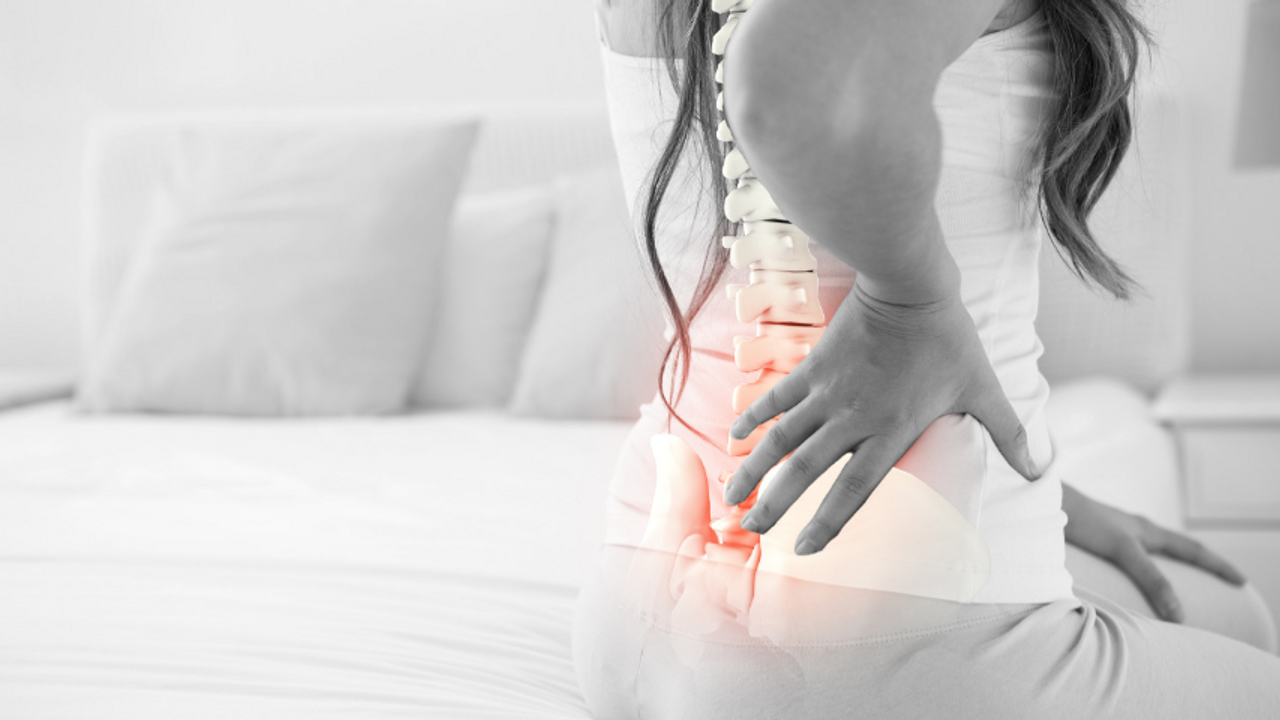
Tailbone pain (coccyx) can be very frustrating to experience. This dull and achy pain happens around the bony area at the bottom of the spine. If you have been sitting for long periods or possibly had a traumatic fall, it can cause tension in the pelvic floor muscles. Sometimes, you may feel tailbone pain if you suffer from degenerative joints or have had a vaginal birth.
The pain can intensify if you sit on hard surfaces or get up and down. You may also feel this when having a bowel movement, and some women may experience this pain during menstruation or having sex.
Tailbone pain, or coccydynia, is inflammation localized to the tailbone (coccyx or bony area located deep between the buttocks above the anus).
Direct Answer
Tailbone pain, also called coccydynia, is inflammation or irritation of the coccyx at the base of the spine, often triggered by a fall, prolonged sitting, pregnancy-related ligament changes, or childbirth. It typically improves with posture changes, cushioned seating, and pelvic floor release exercises, though persistent or severe pain may need evaluation from a pelvic floor physical therapist.
Key Takeaways
- Tailbone pain (coccydynia) is inflammation or irritation of the coccyx, often from a fall, prolonged sitting, degenerative joints, or childbirth.
- During pregnancy, the hormone relaxin loosens pelvic ligaments and shifts posture, which can add pressure to the tailbone and contribute to pain.
- Other common causes include direct injury, repetitive strain from sports like cycling or rowing, poor posture, weight-related pressure, and age-related cartilage wear.
- Simple relief strategies include leaning forward when sitting, using a wedge cushion, alternating ice and heat, and gentle pelvic floor release exercises.
- If pain is severe or persistent, a pelvic floor physical therapist can help reduce muscle tension and correct the underlying instability.
Ways that you can reduce tailbone pain are:
- When in a sitting position, try to lean forward a bit.
- Use a Wedge (V-shaped) cushion designed to relieve pressure when sitting.
- Ice packs or applying heat.
- If your work has you sitting for a long time, get up and move around every hour.
- Learn to release the tight muscles with exercises like Kegels (done with an emphasis on the release) and stretches such as hamstring stretches, wide-leg child pose and posterior pelvic floor releases.
Pain during Pregnancy
Approximately 70% of women will experience low-back pain at some point in their lives, and 50-80% report back pain during their pregnancy. The pain can be debilitating for nearly 10% of them.
Tailbone pain can result from the loosening and shifting of the pelvic ligaments. The body releases a hormone called Relaxin during pregnancy. This hormone makes your pelvic ligaments looser and more flexible to make room for the baby to grow and enable you to give birth, and this can cause tighter contraction of the pelvic floor muscles, which help stabilize the body. Since the pelvic floor muscles are connected to the tailbone, it may lead to pain.
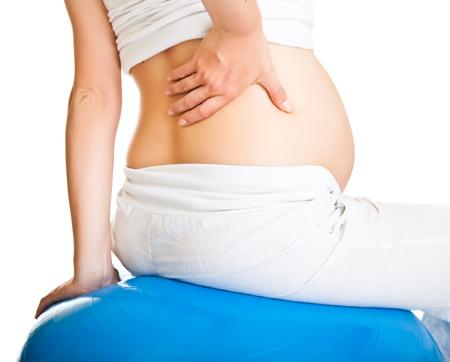
As your abdomen expands in pregnancy, your center of balance alters and your posture shifts, adding pressure to the low back and tailbone, which typically aren’t weight-bearing. Your growing baby may also begin to apply pressure on the tailbone, making sitting and standing painful.
Towards the end of pregnancy, the coccyx becomes more flexible. It allows your coccyx and the part of your spine above it to move as needed to birth, and sometimes childbirth can cause the muscles and ligaments around your coccyx to overstretch, resulting in coccydynia.
You want to be prepared and not in pain during pregnancy and childbirth. Pre and post-natal fitness is imperative.
Suppose your pain is severe or other interventions are not doing the trick. In that case, a physical therapist may help to reduce muscle tension while preserving muscle strength and correcting the instability that causes the pain.
Other reasons your tailbone hurts
Injury - You can injure your coccyx if you suffer a hard impact, such as a fall on a hard surface.
Often when the coccyx is injured, it is only badly bruised, but it may be dislocated (out of place) or fractured (broken) in more severe injuries. An example is an accidental kick during contact sports or falling backwards on your buttocks.
(RSI) Repetitive strain injury - You may get coccydynia if you regularly participate in sports like rowing or cycling due to continually leaning forward and the pressure placed on the pelvis from the seat. The ligaments and muscles around your coccyx can also become strained and stretched with repetitive motion.
Poor posture - Sitting for long periods in awkward positions at work or while driving can put too much pressure on your coccyx, causing pain and discomfort.
Weight - Being overweight or obese can place excess pressure on your coccyx when sitting down and cause coccydynia or worsen an existing condition. If you are very slim, you may also develop coccydynia due to not having enough fat on your buttocks to prevent your coccyx from rubbing against the surrounding tissues.
Aging - As we age, the small cartilage discs holding the coccyx in place can wear down and become more tightly fused, placing more stress on the coccyx and leading to pain.
Exercise Programs to Help Tailbone Pain
The Buff Muff Challenge (housed in the App) gets you started, and the membership keeps you progressing so you can laugh, run, jump, and lift without the pesky leaks and annoying discomfort.
Our yearly membership is on special offer to encourage long-term results & maintenance.
Start Your Free Trial Today

FAQ
What is tailbone pain?
Tailbone pain, or coccydynia, is inflammation or irritation of the coccyx, the small bone at the base of the spine, causing dull, achy, or sharp pain that often worsens with sitting.
What causes tailbone pain?
Common causes include a fall or direct injury, prolonged sitting, repetitive strain from sports like cycling, poor posture, pregnancy-related ligament changes, excess weight, and age-related cartilage wear.
Can pregnancy cause tailbone pain?
Yes. The hormone relaxin loosens pelvic ligaments during pregnancy, and as posture and center of balance shift, extra pressure is placed on the tailbone, which can cause pain.
How can I relieve tailbone pain when sitting?
Leaning forward slightly, using a V-shaped wedge cushion, alternating ice and heat, and taking regular breaks to stand and move can all help reduce pressure on the coccyx.
Is tailbone pain related to the pelvic floor?
Yes. The pelvic floor muscles attach near the coccyx, so tension or dysfunction in these muscles can contribute to or worsen tailbone pain.
When should I see a specialist for tailbone pain?
If the pain is severe, follows a hard fall, or does not improve with posture changes and cushioning, a pelvic floor physical therapist can help identify and treat the underlying cause.
Related Reading
- Help for Tailbone Pain
- Tailbone Pain Exercises
- Giving Birth is Like Running a Marathon
- What is SI Joint Pain?
If you enjoyed this article, you might also like our episode:
The Importance of Posture For Pelvic and Whole Body Health with Esther Gokhale
Listen to the episode


