
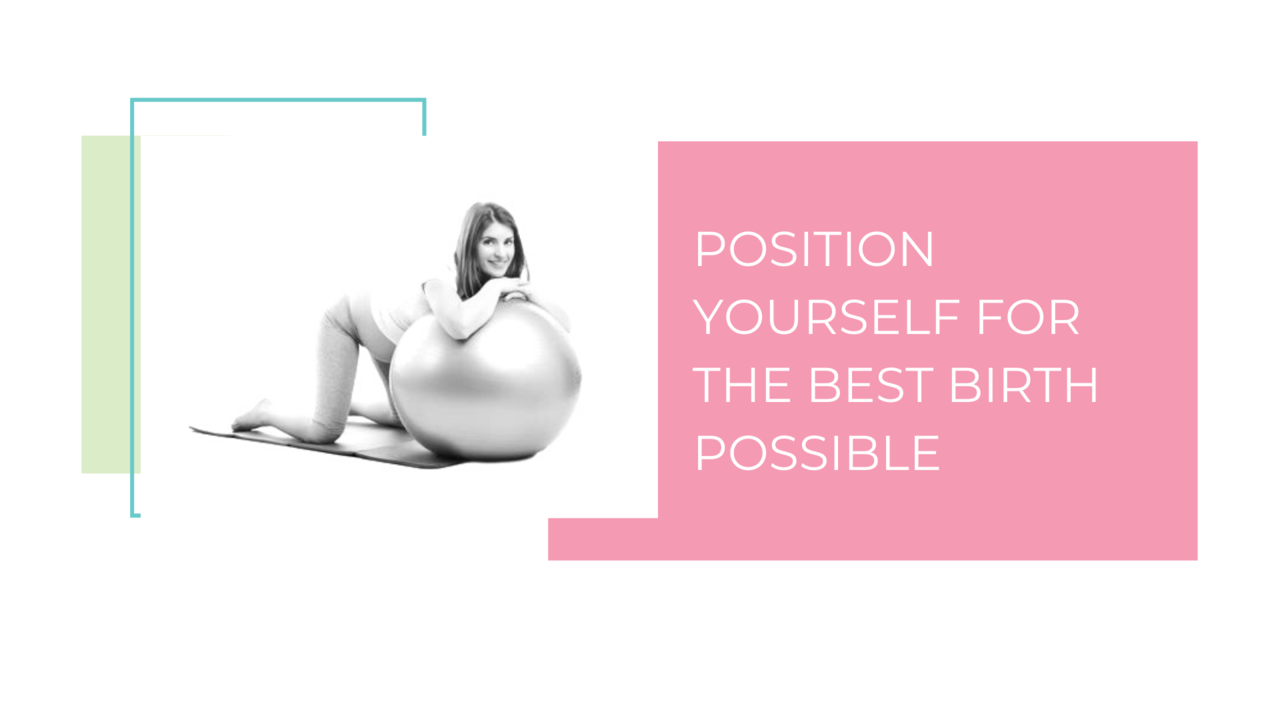
Position Yourself for the Best Birth Possible
Dec 30, 2019By Kim Vopni, The Vagina Coach — Certified Pelvic Floor Fitness Specialist · Published December 30, 2019

Direct Answer
Position yourself for the best birth possible by staying off your back and choosing upright, gravity-friendly positions. Rock your pelvis, keep moving between standing, side-lying and all-fours, and breathe down into your pelvic floor to release tension. These birth positions widen the pelvic outlet, protect your perineum and help your baby descend.
Key Takeaways
- Giving birth on your back works against gravity and restricts movement of the sacrum, narrowing the space your baby has to pass through.
- Rhythmic pelvic rocking — standing, leaning forward, or circling on a birth ball — helps your baby find the path of least resistance.
- Movement matters throughout labour: walk, dance, kneel, lean over a ball or use a birth stool to keep your pelvis mobile.
- Side-lying is an excellent pushing position for slowing a fast birth and preserving the perineum, and all-fours is another strong option.
- Inhaling to expand and exhaling down into the pelvic floor lowers tension and sends more oxygen to both you and your baby.
Birthing Tips to Help Your Baby Out
During birth, your body and your baby are working together to facilitate a smooth transition into the world. Unfortunately, a lot of the lifestyle choices we make and the birth practices we pursue are actually making things a lot harder for both you and your babe.
Here are a few tips to help your baby out during the amazing process of birth. These ideas will also help you get through birth in one piece!
Rock Your Pelvis
Dancing your baby out with rhythmic rocking of the pelvis is a great way to aid circulation, keep the muscles of the pelvic floor open and embrace the movement of your baby.
As your baby moves into and through the pelvis in preparation for delivery, try...
- Rocking your pelvis in either a standing position (try dancing with your partner)
- Leaning forward and resting your arms and head on the side of a bed or couch
- Sitting on a birth ball and circling your pelvis in all directions according to what feels best.
Pelvic rocking can help create a path of least resistance for your baby and help facilitate the birth.
See Our Video On Making Childbirth Easier
Stay Off Your Back
I used to watch TLC’s Baby Story and think that in order to push a baby out you had to be on your back with your knees pressed back to your ears. I thought that was how it was done. Thankfully, I learned why that is ludicrous before the delivery of my sons!
Giving birth on your back makes things harder for you and your babe. You are pushing against gravity and you restrict the movement of the sacrum, thereby narrowing the space in the pelvis. This makes it harder for your baby to manoeuvre his way down and out of the birth canal.
Back lying during labour and delivery also presses on the vena cava, which can impede the flow of oxygen to the baby and your body. We are told throughout pregnancy to stay off our back because of the pressure it places on the vena cava, so why is it ok to be on our back during birth?
Move
Standing, walking and dancing are all wonderful movement practices for labour. As is sitting and rocking on a ball, kneeling and leaning on a ball or kneeling in a pool and draping yourself over the edge.
For pushing, I like the side-lying position (this is a great position for slowing things down in a fast birth and it is also a great one for preserving the perineum). You can lift the head of the hospital bed up or stack some pillows under you to get a bit more assistance from gravity.
I also like kneeling on all fours – again you can be on the hospital bed with the back raised so you can hang on to it or you can be on the floor leaning over a ball or holding on to a partner or in the pool. A birth stool is also a good tool – a cool one is the Kaya Birth Stool. So many options!
And if you ever feel like you are stuck, or not progressing, try a different position or go sit on the toilet where your body naturally relaxes for elimination.
Breathe
Our breath is cleansing and nourishing. It helps us relax, it helps us heal, and it helps alleviate discomfort. When we hold our breath we create tension, we restrict the flow of oxygen and we feel more discomfort.
During labour, your baby needs open space, reduced tension, and oxygen. Inhale to expand and create space for your baby. Exhale sending your breath to your pelvic floor, releasing any tension. Nourish your body and your babe on his journey to his own breath in the outside world.
You Can Do It!
Birth is natural and you were designed for the process. With these tips, you can help facilitate the journey and empower yourself for an amazing event that will leave you in awe of what you can do!
For more information on how to facilitate the best birth possible, check out our Buff Muff Prenatal Program
For more words of pelvic health wisdom, follow Kim on Youtube.
You may find this article beneficial -
Pregnancy Fitness
Frequently Asked Questions
What is the best position to give birth in? There is no single best position. Upright, gravity-assisted positions such as standing, kneeling on all fours, sitting on a birth stool and side-lying all open the pelvis more effectively than lying flat on your back.
Why should you not give birth on your back? Lying on your back means pushing against gravity, restricts movement of the sacrum and narrows the pelvic outlet. It also presses on the vena cava, which can impede oxygen flow to you and your baby.
Does rocking your pelvis during labour actually help? Yes. Rhythmic pelvic rocking aids circulation, keeps the pelvic floor muscles open and encourages your baby to rotate and descend, creating a path of least resistance through the pelvis.
Which birth position best protects the perineum? Side-lying is a favourite for perineal protection because it slows down a fast birth and reduces pressure on the perineum. Kneeling on all fours also takes direct pressure off the perineal tissue.
How should I breathe during labour and pushing? Inhale to expand your ribs and create space for your baby, then exhale and send your breath down to your pelvic floor to release tension. Avoid breath holding, which builds tension and increases discomfort.
What should I do if my labour stalls? Change position. Try standing, walking, kneeling, leaning over a birth ball, or sitting on the toilet, where your body naturally relaxes for elimination.

Kim Vopni, known as The Vagina Coach, is a certified fitness professional, menopause support practitioner, women’s health educator, and author specializing in pelvic floor health. For over 15 years she has helped women worldwide address issues like incontinence, organ prolapse, pelvic pain and core dysfunction through fitness and education. Kim is the creator of the Buff Muff Method and founder of Pelvienne Wellness Inc., and co-founder of Buff Muff Wellness Inc where she provides online programs, in person professional teacher training, and other resources designed to help women build lifelong pelvic health.
- Creator of the Buff Muff Method™
- Founder of Pelvienne Wellness Inc.
- Co-Founder of Buff Muff Wellness Inc.
- Creator of Kegels & Cocktails™
- Certified fitness professional specializing in pelvic health
- Certified Menopause Support Practitioner
- Author of multiple books on pelvic floor health
- Speaker and educator featured on prominent media, podcasts and health platforms
Related Reading:
My Top Tips for Creating a Birth and Recovery Plan
Why a Doula should be Part of Your Birth Team
One Woman's Perspective on Preparing for Birth with Exercise
Part One of Two - The EPI-NO Childbirth Trainer
Breathe, Breastfeed and Bathe - Helping Heal Your Postpartum Body
If you enjoyed this article, you might also like our episode:
Pelvic Floor Avulsion - A Lifelong Birth Injury
Listen to the episode


