
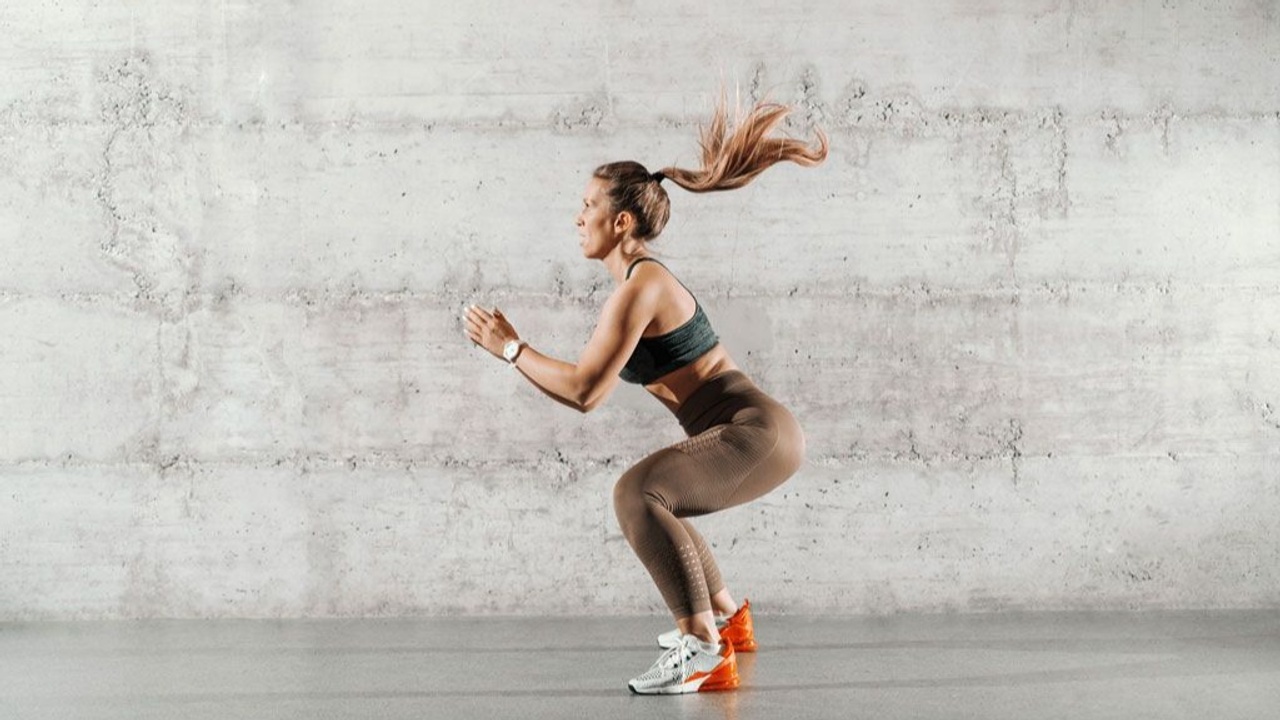
Pelvic Floor Friendly 5 min Plyometric Workout
Mar 03, 2022By Kim Vopni, The Vagina Coach — Certified Pelvic Floor Fitness Specialist · Published March 3, 2022
Direct Answer
Plyometrics are short, fast, explosive movements — not just box jumps — that generate maximum force in the shortest time. They can feel off-limits when you are dealing with pelvic floor challenges, but they are possible and beneficial. Because muscles need to be loaded to get stronger, a pelvic-floor-friendly plyometric program can help restore and maintain pelvic floor fitness while supporting your heart and overall strength.
Key Takeaways
- Plyometrics are any short, fast, explosive movements that generate maximum force quickly — not only box jumps.
- Explosive movement is great for the heart and muscles but can feel off-limits with pelvic floor challenges; it is still possible when done in a pelvic-floor-friendly way.
- Pelvic floor deconditioning (weakness, poor endurance, poor coordination) is linked to stress incontinence, overactive bladder, prolapse, anal incontinence, and sexual dysfunction.
- Muscles need to be loaded to get stronger, so a plyometric program can be effective in restoring and maintaining pelvic floor fitness.
- The approach also supports women through pregnancy, motherhood, and menopause.
If you’ve heard the term plyometric before, it’s likely been associated with jumping movements like box jumps. But plyometrics actually applies to any exercise or activity that is short, fast, and explosive, allowing you to generate maximum force in the muscle in the shortest period of time.
Explosive movements are so good for our heart and muscles but they can feel 'off limits' when dealing with pelvic floor challenges.
We CAN still do hard things and plyometrics IS possible.
Pelvic floor muscle exercises have long been considered the first-line therapy for stress urinary incontinence in women. Pelvic floor muscle deconditioning (weakness, poor endurance, poor coordination) has been associated with stress urinary incontinence, overactive bladder, pelvic organ prolapse, anal incontinence, and sexual dysfunction.
I use fitness and movement to help women and vagina owners prevent and overcome pelvic floor challenges like incontinence and organ prolapse. It is also helpful for pregnancy, motherhood, and menopause!
A plyometric program is effective in restoring and maintaining pelvic floor fitness.
This short but intense workout will leave you breathless and sweaty and feeling empowered! It will also benefit the pelvic floor. We need to load our muscles in order for them to get stronger and to improve.
Thank you so much for watching!
Please make sure to LIKE and SHARE the video and SUBSCRIBE to the channel for the best fitness and wellness advice south of your belly button.
Every Friday I upload a new exercise program so be sure to check out previous ones. Here is one from a few weeks ago.
10 minute Bosu Core Workout For Stronger Abs and Pelvic Floor
The pelvic floor is part of the core and when we know how to access it, we can transform our core workouts! I love the versatility of the Bosu ball and really feel like I have worked at the end of my workout.
Every Vagina Needs a Coach!
More Resources:
Other Programs:
The 28-Day Challenge and Buff Muff Membership
I recommend checking out my comprehensive pelvic health education and fitness programs on my Buff Muff App. The most complete Pelvic Floor & Kegel exercise App to strengthen the pelvic floor.
The Buff Muff 28-Day Challenge (housed in the App) gets you started, and the Annual membership keeps you progressing so you can laugh, run, jump, and lift without the pesky leaks and annoying discomfort of prolapse symptoms.

Frequently Asked Questions
What are plyometrics?
Plyometrics apply to any exercise or activity that is short, fast, and explosive, allowing you to generate maximum force in the shortest period of time. Although the term is often associated with box jumps, it covers a much wider range of explosive movements.
Can I do plyometrics if I have pelvic floor challenges?
Yes. Explosive movements can feel off-limits when you are dealing with pelvic floor challenges, but you can still do hard things — plyometrics is possible when approached in a pelvic-floor-friendly way that builds up load gradually.
How do plyometrics help the pelvic floor?
We need to load our muscles in order for them to get stronger and improve. A plyometric program is effective in restoring and maintaining pelvic floor fitness, so pelvic-floor-friendly explosive work can strengthen the pelvic floor rather than harm it.
What is stress urinary incontinence associated with?
Pelvic floor muscle deconditioning — weakness, poor endurance, and poor coordination — has been associated with stress urinary incontinence, as well as overactive bladder, pelvic organ prolapse, anal incontinence, and sexual dysfunction. Pelvic floor exercises are the first-line therapy for stress incontinence.
Do I have to avoid high-impact exercise if my pelvic floor is weak?
Not necessarily. Rather than avoiding impact entirely, the goal is to load the muscles appropriately so they get stronger. With a pelvic-floor-friendly progression, explosive and higher-impact movement can become possible again.
Is this workout suitable during pregnancy or menopause?
Yes. Kim uses fitness and movement to help women prevent and overcome pelvic floor challenges, and the approach is also helpful for pregnancy, motherhood, and menopause. Work within your comfort level and check with your provider if you have specific concerns.
Related Articles
- Incontinence in CrossFit
- Your Core and Pelvic Floor
- How To Stop Overactive Bladder
- Pelvic Health Is Not Just About Kegels
- Prolapse Safe Planks and Push-ups
If you enjoyed this article, you might also like our episode:
Foot Health and Pelvic Health with Natalie Headdings
Listen to the episode


