
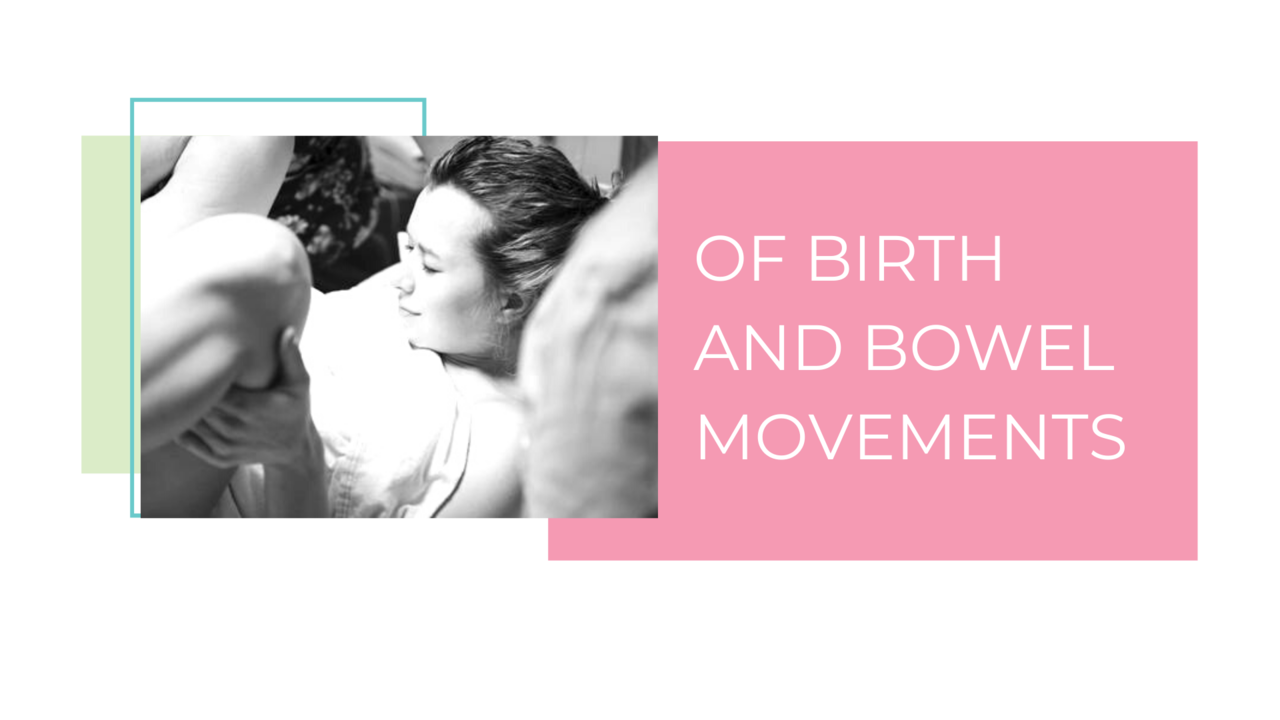
Of Birth and Bowel Movements
Dec 17, 2019By Kim Vopni, The Vagina Coach — Certified Pelvic Floor Fitness Specialist · Published December 17, 2019

Direct Answer
Giving birth works best the way a bowel movement does: upright, in private, and in response to your body’s own urges. Lying on your back, bright lights, interruptions and being told when to push work against the normal physiological process and can lead to stalled labour or failure to progress.
Key Takeaways
- You sit upright and use gravity for a bowel movement, yet most women are asked to lie on their backs to push a baby out.
- You close the door for privacy, yet birth often happens with bright lights and many people coming and going.
- Pushing before you feel the urge can slow the process down, lead to constipation and be detrimental to your pelvic floor.
- Interruptions that force a woman to ignore her body’s signals can lead to stalled labour or failure to progress.
- Support, a warm and dimly lit room, few interruptions and freedom to move and be upright help birth progress.
We Would Never Poop This Way—Why Do We Give Birth This Way?
This is not a blog about the fear of pooping during birth, but rather a few points designed to make you think and possibly question the way most women give birth.
Think about the following points for a moment:
When you need to have a bowel movement, do you go and lie down on your back with your knees at your ears? No, because that would be crazy! You sit upright on a toilet (ideally with your feet elevated on a squatty potty) and utilize gravity to assist in the elimination process.
Why then do doctors have women lie down on their backs when it comes time to push their baby out?
When you need to have a bowel movement, do you find a brightly lit area with a lot of people around? No, because that would be crazy! You find a bathroom and you close and lock the door so you will not be interrupted.
Why then are there so many people coming and going when a woman is trying to birth her baby, with all the lights on?
When you have a bowel movement, do you push when someone tells you to and do you hold your breath while they count to 10? No, because that would be crazy! You wait for the urge and add a small push if needed (ideally there should be little to no pushing needed to empty your rectum).
Why then are birthing women told when to push and told to hold their breath and push like they are having a bowel movement?
When you get a signal that you need to have a bowel movement, do you immediately start pushing? No, because that would be crazy! You find privacy, and allow the urges to move your bowels. Pushing before you feel the urge can actually slow the process down, lead to constipation and can be detrimental to your pelvic floor.
Why then are women not allowed to respond to their own body’s signals?
And you know how when you get a signal that you need to have a bowel movement but maybe you are in a meeting and can’t leave or maybe you are on a crowded bus, so you clench your bottom and wait for the signal to subside. Oftentimes, the signal doesn’t come back again until maybe the next day but then the stool has become hardened and therefore more difficult to pass, leading to constipation.
Well, the same thing happens in birth. Women begin labour and are feeling urges and then someone comes into the room to check on them, taking them out of the moment and forcing them to ignore the signals. Over time this leads to ‘stalled labour’ or ‘failure to progress’. Basically, it is the equivalent of constipation!
Birth has become something that is done to women rather than something women do. There are so many interruptions and interventions that prevent the normal physiological process from happening and progressing.
If women could be surrounded by support, in a warm, dimly lit environment with little interruption and allowed to move and be upright and feel and respond to the signals of the body, I believe there would be a significant decrease in birth constipation.
We offer two GREAT PRENATAL Programs - Birth Like a Boss and Prepare to Push. Check them out
My Buff Muff App has a Prenatal/Postpartum section that included Birth Like a Boss, Pre/Post Exercises, and Birth and Recovery Resources.
There is a ton of free content available to anyone who downloads the app including a 7-day pelvic floor fitness challenge to introduce you to the concept of a whole-body fitness approach to pelvic health. Once the free challenge ends you have the option to join the membership for ongoing support from me, your very own vagina coach.

For more words of pelvic health wisdom, follow Kim on Facebook, Twitter, Instagram and Youtube.
Frequently Asked Questions
Why is lying on your back not ideal for giving birth? You would never lie on your back with your knees at your ears to have a bowel movement. You sit upright and use gravity to assist elimination, and the same logic applies to pushing a baby out.
Should you push before you feel the urge? No. Just as with a bowel movement, you wait for the urge and add a small push if needed. Pushing before you feel the urge can slow the process down and be detrimental to your pelvic floor.
Why does privacy matter during labour? For a bowel movement you find a bathroom and lock the door so you will not be interrupted. Bright lights and many people coming and going take a labouring woman out of the moment.
What causes stalled labour or failure to progress? When someone interrupts a labouring woman, she is taken out of the moment and forced to ignore her body’s signals. Over time this leads to stalled labour or failure to progress, the equivalent of constipation.
What kind of birth environment helps labour progress? Being surrounded by support in a warm, dimly lit environment with little interruption, and being allowed to move, be upright, and feel and respond to the signals of the body.

Kim Vopni, known as The Vagina Coach, is a certified fitness professional, menopause support practitioner, women’s health educator, and author specializing in pelvic floor health. For over 15 years she has helped women worldwide address issues like incontinence, organ prolapse, pelvic pain and core dysfunction through fitness and education. Kim is the creator of the Buff Muff Method and founder of Pelvienne Wellness Inc., and co-founder of Buff Muff Wellness Inc where she provides online programs, in person professional teacher training, and other resources designed to help women build lifelong pelvic health.
- Creator of the Buff Muff Method™
- Founder of Pelvienne Wellness Inc.
- Co-Founder of Buff Muff Wellness Inc.
- Creator of Kegels & Cocktails™
- Certified fitness professional specializing in pelvic health
- Certified Menopause Support Practitioner
- Author of multiple books on pelvic floor health
- Speaker and educator featured on prominent media, podcasts and health platforms
Related Reading:
Position Yourself for the Best Birth Possible
My Top Tips for Creating a Birth and Recovery Plan
Are You Crankypated? - Help For Constipation
Constipation can lead to other serious health issues
If you enjoyed this article, you might also like our episode:
Epic Dumps with Gastroenterologist Dr Will Bulsiewicz
Listen to the episode


